Buy selbstständig-machen.eu ?
We are moving the project
selbstständig-machen.eu .
Are you interested in purchasing the domain
selbstständig-machen.eu ?
domain@kv-gmbh.de · 0541-91531010
Buy selbstständig-machen.eu ?
What are sensory cells, sensory organs, and senses?
Sensory cells are specialized cells that detect and respond to specific stimuli, such as light, sound, touch, taste, and smell. These cells are found in sensory organs, which are structures in the body that contain sensory cells and are responsible for detecting and transmitting sensory information to the brain. The senses, on the other hand, are the physiological capacities of organisms that provide data for perception. They include sight, hearing, touch, taste, and smell, and are essential for experiencing and interacting with the environment. **
What to do when the engine rattles?
When the engine rattles, it could be a sign of a serious issue that needs to be addressed promptly. First, check the oil level and quality to ensure proper lubrication. Next, inspect the engine mounts and belts for any signs of wear or damage. If the rattling persists, it is best to have a professional mechanic diagnose and repair the problem to prevent further damage to the engine. **

Similar search terms for JoyToys-Baby-Rattles-Sensory
Top-Angebote
Products related to JoyToys-Baby-Rattles-Sensory:
-
Uplift Curations Adjustable Baby Stroller Arch Toy With Sensory Activity Features wrist RattlesTurn every ride into a fun and engaging experience for your little one. This interactive baby stroller arch toy is designed to keep babies entertained while supporting early development through play. With colorful hanging elements and stimulating...40,00 $*Shipping: 0,00 $Secure redirect to the provider
-
Inspire Curations 5 Piece Baby Musical Instrument Set Montessori Baby Toys Sensory Rattles For Early Play set In BoxA few gentle sounds can turn everyday moments into happy, curious play. This 5piece set is made for little hands to shake, tap, and exploreperfect for calming cuddles, stroller time, or sitandplay sessions. Each piece adds a new sound and feel,...103,90 $*Shipping: 0,00 $Secure redirect to the provider
-
Uplifted Finds Baby Rattles Hanging Toys For Car Seat, Crib, And Stroller Montessori Sensory Plush Toys dinosaurStimulate your infant's development with these Baby Rattles Hanging Toys, the perfect multisensory companions for a Car Seat, Crib, Stroller, or Gym. Designed for babies aged 012 Months, these Montessori Sensory Plush Toys feature vibrant characters...57,97 $*Shipping: 0,00 $Secure redirect to the provider
-
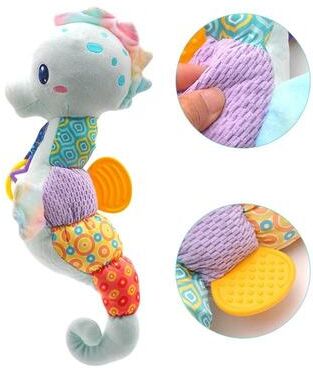
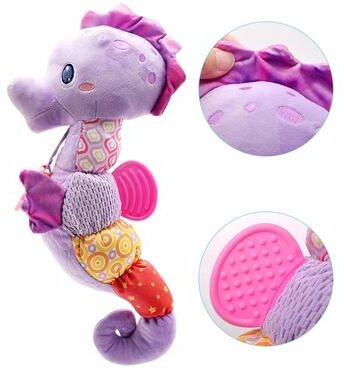
Uplift Picks Baby Rattles Toys Soft Musical Stuffed Animal Sensory Toy purpleFrom the very first squeeze, this baby rattles toys set brings comfort, sound, and color together in one gentle play experience. Designed for newborns up to 12 months, it combines soft textures, bright colors, and engaging sounds to spark curiosity....56,48 $*Shipping: 0,00 $Secure redirect to the provider



-
What rattles on the low E string?
The low E string on a guitar typically rattles when it is played with too much force or if there is an issue with the setup of the instrument. This rattling sound can also occur if the string is old and needs to be replaced. It is important to address this issue to ensure the best sound quality and playability of the guitar. **
-
What is the difference between a primary sensory cell, a secondary sensory cell, and a sensory nerve cell?
Primary sensory cells are specialized cells that directly detect stimuli from the environment, such as light, sound, or touch. Secondary sensory cells receive signals from primary sensory cells and transmit them to the central nervous system. Sensory nerve cells, also known as sensory neurons, are responsible for transmitting the signals from secondary sensory cells to the brain, where they are processed and interpreted. In summary, primary sensory cells detect stimuli, secondary sensory cells relay the signals, and sensory nerve cells transmit the signals to the brain for processing. **
-
Are receptors sensory cells?
Receptors are not sensory cells themselves, but they are specialized proteins located on the surface of sensory cells. These receptors are responsible for detecting and responding to specific stimuli, such as light, sound, taste, or smell. When a receptor is activated by a stimulus, it triggers a series of biochemical reactions within the sensory cell, ultimately leading to the generation of a sensory signal that can be transmitted to the brain for processing. Therefore, while receptors are not sensory cells, they play a crucial role in the sensory process by detecting and transducing stimuli into neural signals. **
-
What is sensory perception?
Sensory perception refers to the process of receiving and interpreting information from the environment through the senses. This includes the five main senses of sight, hearing, touch, taste, and smell, as well as other sensory experiences such as balance, proprioception, and temperature. The brain then processes this sensory information to create a perception of the world around us, allowing us to interact with and understand our surroundings. Sensory perception is essential for everyday functioning and plays a crucial role in how we experience and navigate the world. **


How does sensory development progress?
Sensory development progresses through a series of stages, beginning with basic sensory experiences such as touch, taste, and smell in infancy. As children grow, they develop more refined sensory abilities, such as improved vision and hearing, and begin to integrate sensory information to make sense of their environment. This process continues into adolescence and adulthood, with individuals becoming more adept at interpreting and responding to sensory stimuli. Overall, sensory development progresses from basic sensory experiences to more complex and integrated sensory abilities as individuals mature. **
Why is sensory transduction necessary?
Sensory transduction is necessary because it allows the body to convert various forms of environmental stimuli, such as light, sound, touch, and chemical signals, into electrical signals that can be interpreted by the nervous system. This process is essential for the body to perceive and respond to its surroundings, allowing for the detection of potential dangers, the regulation of bodily functions, and the experience of sensations such as taste, smell, and touch. Without sensory transduction, the body would not be able to effectively interact with its environment and respond to changes in its surroundings. **
Top-Angebote
Products related to JoyToys-Baby-Rattles-Sensory:
-
JoyToys Baby Rattles & Sensory Baby Toys Set For Infants Montessori Learning Gift Baby Rattles & Sensory Baby Toys Set For Infants Montessori Learning GiftEnjoy every precious milestone with a toy set designed to inspire smiles, curiosity, and early learning. This Baby rattles collection includes seven engaging toys that encourage grasping, shaking, spinning, and sensory exploration for babies from...29,97 $*Shipping: 0,00 $Secure redirect to the provider
-
Uplift Picks Baby Rattles Toys Soft Musical Stuffed Animal Sensory Toy blueFrom the very first squeeze, this baby rattles toys set brings comfort, sound, and color together in one gentle play experience. Designed for newborns up to 12 months, it combines soft textures, bright colors, and engaging sounds to spark curiosity....56,48 $*Shipping: 0,00 $Secure redirect to the provider
-
Uplift Curations Adjustable Baby Stroller Arch Toy With Sensory Activity Features wrist RattlesTurn every ride into a fun and engaging experience for your little one. This interactive baby stroller arch toy is designed to keep babies entertained while supporting early development through play. With colorful hanging elements and stimulating...40,00 $*Shipping: 0,00 $Secure redirect to the provider
-
Inspire Curations 5 Piece Baby Musical Instrument Set Montessori Baby Toys Sensory Rattles For Early Play set In BoxA few gentle sounds can turn everyday moments into happy, curious play. This 5piece set is made for little hands to shake, tap, and exploreperfect for calming cuddles, stroller time, or sitandplay sessions. Each piece adds a new sound and feel,...103,90 $*Shipping: 0,00 $Secure redirect to the provider
-
What are sensory cells, sensory organs, and senses?
Sensory cells are specialized cells that detect and respond to specific stimuli, such as light, sound, touch, taste, and smell. These cells are found in sensory organs, which are structures in the body that contain sensory cells and are responsible for detecting and transmitting sensory information to the brain. The senses, on the other hand, are the physiological capacities of organisms that provide data for perception. They include sight, hearing, touch, taste, and smell, and are essential for experiencing and interacting with the environment. **
-
What to do when the engine rattles?
When the engine rattles, it could be a sign of a serious issue that needs to be addressed promptly. First, check the oil level and quality to ensure proper lubrication. Next, inspect the engine mounts and belts for any signs of wear or damage. If the rattling persists, it is best to have a professional mechanic diagnose and repair the problem to prevent further damage to the engine. **
-
What rattles on the low E string?
The low E string on a guitar typically rattles when it is played with too much force or if there is an issue with the setup of the instrument. This rattling sound can also occur if the string is old and needs to be replaced. It is important to address this issue to ensure the best sound quality and playability of the guitar. **
-
What is the difference between a primary sensory cell, a secondary sensory cell, and a sensory nerve cell?
Primary sensory cells are specialized cells that directly detect stimuli from the environment, such as light, sound, or touch. Secondary sensory cells receive signals from primary sensory cells and transmit them to the central nervous system. Sensory nerve cells, also known as sensory neurons, are responsible for transmitting the signals from secondary sensory cells to the brain, where they are processed and interpreted. In summary, primary sensory cells detect stimuli, secondary sensory cells relay the signals, and sensory nerve cells transmit the signals to the brain for processing. **
Similar search terms for JoyToys-Baby-Rattles-Sensory
-
Uplifted Finds Baby Rattles Hanging Toys For Car Seat, Crib, And Stroller Montessori Sensory Plush Toys dinosaurStimulate your infant's development with these Baby Rattles Hanging Toys, the perfect multisensory companions for a Car Seat, Crib, Stroller, or Gym. Designed for babies aged 012 Months, these Montessori Sensory Plush Toys feature vibrant characters...57,97 $*Shipping: 0,00 $Secure redirect to the provider
-
Uplift Picks Baby Rattles Toys Soft Musical Stuffed Animal Sensory Toy purpleFrom the very first squeeze, this baby rattles toys set brings comfort, sound, and color together in one gentle play experience. Designed for newborns up to 12 months, it combines soft textures, bright colors, and engaging sounds to spark curiosity....56,48 $*Shipping: 0,00 $Secure redirect to the provider
-
Uplift Picks Baby Rattles Toys Soft Musical Stuffed Animal Sensory Toy pinkFrom the very first squeeze, this baby rattles toys set brings comfort, sound, and color together in one gentle play experience. Designed for newborns up to 12 months, it combines soft textures, bright colors, and engaging sounds to spark curiosity....56,48 $*Shipping: 0,00 $Secure redirect to the provider
-
Inspire Curations 5 Piece Baby Musical Instrument Set Montessori Baby Toys Sensory Rattles For Early Play set In BagA few gentle sounds can turn everyday moments into happy, curious play. This 5piece set is made for little hands to shake, tap, and exploreperfect for calming cuddles, stroller time, or sitandplay sessions. Each piece adds a new sound and feel,...103,90 $*Shipping: 0,00 $Secure redirect to the provider
-
Are receptors sensory cells?
Receptors are not sensory cells themselves, but they are specialized proteins located on the surface of sensory cells. These receptors are responsible for detecting and responding to specific stimuli, such as light, sound, taste, or smell. When a receptor is activated by a stimulus, it triggers a series of biochemical reactions within the sensory cell, ultimately leading to the generation of a sensory signal that can be transmitted to the brain for processing. Therefore, while receptors are not sensory cells, they play a crucial role in the sensory process by detecting and transducing stimuli into neural signals. **
-
What is sensory perception?
Sensory perception refers to the process of receiving and interpreting information from the environment through the senses. This includes the five main senses of sight, hearing, touch, taste, and smell, as well as other sensory experiences such as balance, proprioception, and temperature. The brain then processes this sensory information to create a perception of the world around us, allowing us to interact with and understand our surroundings. Sensory perception is essential for everyday functioning and plays a crucial role in how we experience and navigate the world. **
-
How does sensory development progress?
Sensory development progresses through a series of stages, beginning with basic sensory experiences such as touch, taste, and smell in infancy. As children grow, they develop more refined sensory abilities, such as improved vision and hearing, and begin to integrate sensory information to make sense of their environment. This process continues into adolescence and adulthood, with individuals becoming more adept at interpreting and responding to sensory stimuli. Overall, sensory development progresses from basic sensory experiences to more complex and integrated sensory abilities as individuals mature. **
-
Why is sensory transduction necessary?
Sensory transduction is necessary because it allows the body to convert various forms of environmental stimuli, such as light, sound, touch, and chemical signals, into electrical signals that can be interpreted by the nervous system. This process is essential for the body to perceive and respond to its surroundings, allowing for the detection of potential dangers, the regulation of bodily functions, and the experience of sensations such as taste, smell, and touch. Without sensory transduction, the body would not be able to effectively interact with its environment and respond to changes in its surroundings. **
* All prices are inclusive of VAT and, if applicable, plus shipping costs. The offer information is based on the details provided by the respective shop and is updated through automated processes. Real-time updates do not occur, so deviations can occur in individual cases. ** Note: Parts of this content were created by AI.