Buy selbstständig-machen.eu ?
We are moving the project
selbstständig-machen.eu .
Are you interested in purchasing the domain
selbstständig-machen.eu ?
domain@kv-gmbh.de · 0541-91531010
Buy selbstständig-machen.eu ?
What is the difference between "begründen" and "gründen"?
The main difference between "begründen" and "gründen" is that "begründen" means to justify or give reasons for something, while "gründen" means to found or establish something. "Begründen" is used when explaining the rationale or basis for a decision, argument, or belief, while "gründen" is used when talking about the act of creating or setting up an organization, company, or institution. In essence, "begründen" is about providing reasons, while "gründen" is about creating something new. **
What is the difference between the word "Unternehmen" and "Unternehmung"?
The word "Unternehmen" typically refers to a company or business entity, while "Unternehmung" is often used to describe an undertaking or an activity. "Unternehmen" is more commonly used in the context of a specific organization or business, while "Unternehmung" can refer to a broader range of activities or initiatives. In general, "Unternehmen" is more closely associated with the concept of a business or enterprise, while "Unternehmung" has a broader and more general meaning. **


Similar search terms for Difference
Top-Angebote
Products related to Difference:
-
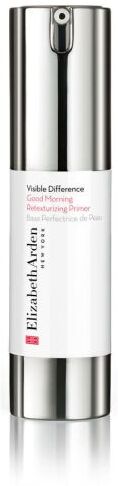
Elisabeth Arden Visible Difference Good Morning Retexturizing PrimerHealth and Beauty Face and Cheeks Elizabeth Arden Visible Difference Good Morning Retexturizing Primer Our retexturizing primer helps you show off your best face with a proven blend of boosting botanicals and vitamin A. Wake up your skin without weighing it down. Skin feels soft, smooth and fresh all day. and you will love the softness and naturalness of your makeup. How to use: Apply to clean face.14,73 £*Shipping: 3,99 £Secure redirect to the provider
-
Axis Spot The Difference Facial Blemish Treatment 15mLA skin-care product for oily or blemish-prone skin. Spot The Difference Blemish Treatment is expertly formulated for acne-prone, oily, and sensitive skin, providing effective relief from breakouts and blemishes. This light gel texture glides onto the skin, delivering hydration while restoring the skin barrier.14,97 £*Shipping: 4,12 £Secure redirect to the provider
-
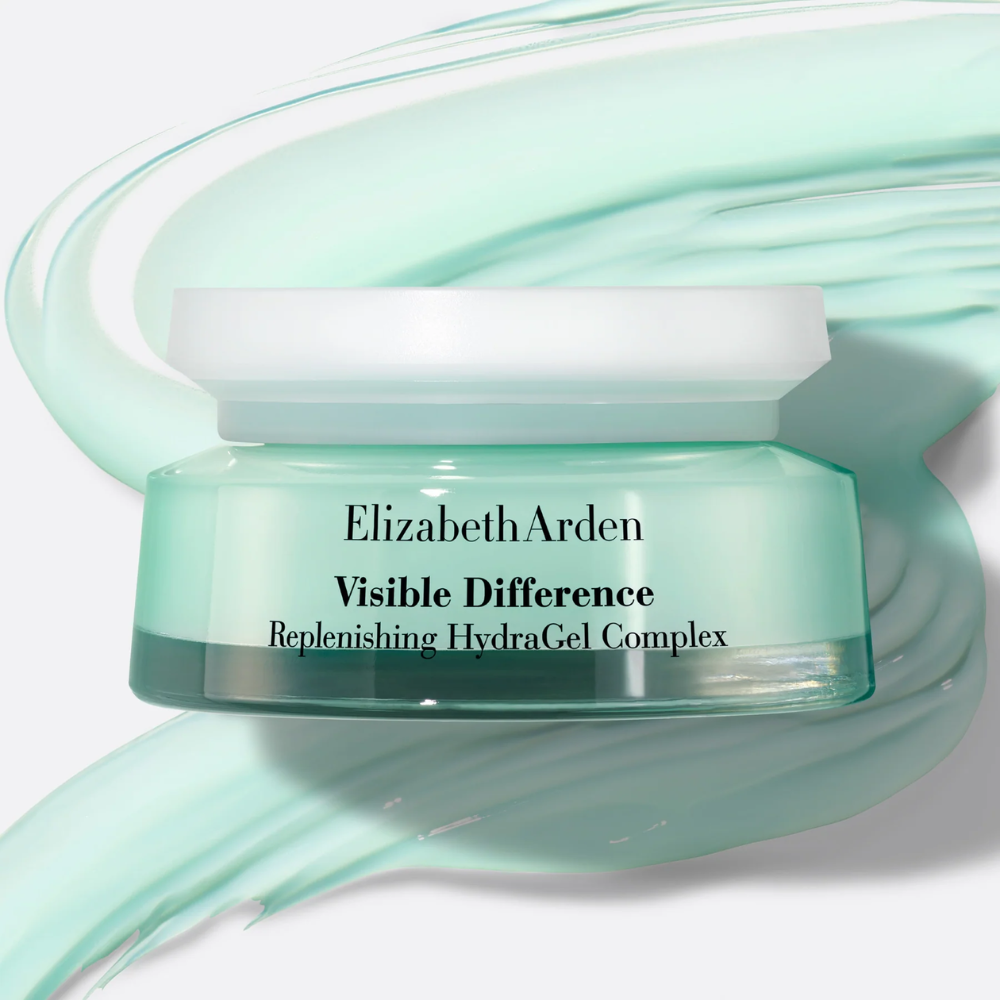
Elisabeth Arden Visible Difference Facial Replenishing Hydragel Complex 75mLA skin-care product. It a refreshing, oil-free water gel that provides 24-hour hydration while minimizing the appearance of pores. 24-hour hydration for all skin types. Minimizes the appearance of pores. Leaves skin feeling smooth and refreshed. Sodium Hyaluronate: Provides intense hydration. Mushroom Extract: Tightens pores and refines skin texture.27,84 £*Shipping: 5,22 £Secure redirect to the provider


-
What is the difference between "tun" and "machen"?
"Tun" and "machen" are both German verbs that can be translated to "to do" or "to make" in English. However, "tun" is more commonly used in a general sense, while "machen" is more specific and often used when referring to creating or producing something. Additionally, "tun" is often used in more formal or literary contexts, while "machen" is more casual and commonly used in everyday speech. **
-
What is the difference between machen and treiben?
The German verbs "machen" and "treiben" both mean "to do" or "to make," but they are used in different contexts. "Machen" is a general verb that can be used for a wide range of activities, such as making food, doing homework, or creating something. On the other hand, "treiben" is often used to convey the idea of driving, pushing, or propelling something forward, both physically and metaphorically. It is also used to describe engaging in activities or pursuing a particular goal or activity. Overall, "machen" is more general and versatile, while "treiben" is more specific and often conveys a sense of action or movement. **
-
What is the difference between "Jo, kann man machen" and "Ja, kann man machen"?
The difference between "Jo, kann man machen" and "Ja, kann man machen" lies in the informal and formal tone. "Jo" is a colloquial and informal way of saying "Ja" in some German dialects, while "Ja" is the standard formal way of saying "yes" in German. Therefore, "Jo, kann man machen" is more casual and relaxed, while "Ja, kann man machen" is more polite and formal. **
-
What is the difference between "kaputt machen" and "zerstören"?
"Kaputt machen" and "zerstören" both mean "to destroy" in German, but there is a subtle difference between the two. "Kaputt machen" is often used in a colloquial sense and implies a more casual or accidental destruction, while "zerstören" is a more formal and deliberate term for destroying something. "Kaputt machen" can also be used to describe breaking or ruining something, while "zerstören" is more commonly used to describe completely demolishing or devastating something. **
What does Selbständigkeit 12 mean?
Selbständigkeit 12 is a German term that translates to "independence 12" in English. It refers to the 12th grade or year of schooling in the German education system, where students are typically around 17 or 18 years old. This stage of education is focused on preparing students for independence and self-reliance as they transition into adulthood and potentially into higher education or the workforce. **
Is there a difference between "tun" and "machen," and when do you use "tun" and when do you use "machen"?
Yes, there is a difference between "tun" and "machen" in German. "Tun" is used to express the general idea of doing something or taking action, while "machen" is used to specifically indicate making or creating something. "Tun" is often used in more abstract or general contexts, while "machen" is used when referring to a specific action or activity. For example, "Was tust du?" (What are you doing?) versus "Was machst du?" (What are you making/doing?). **
Top-Angebote
Products related to Difference:
-
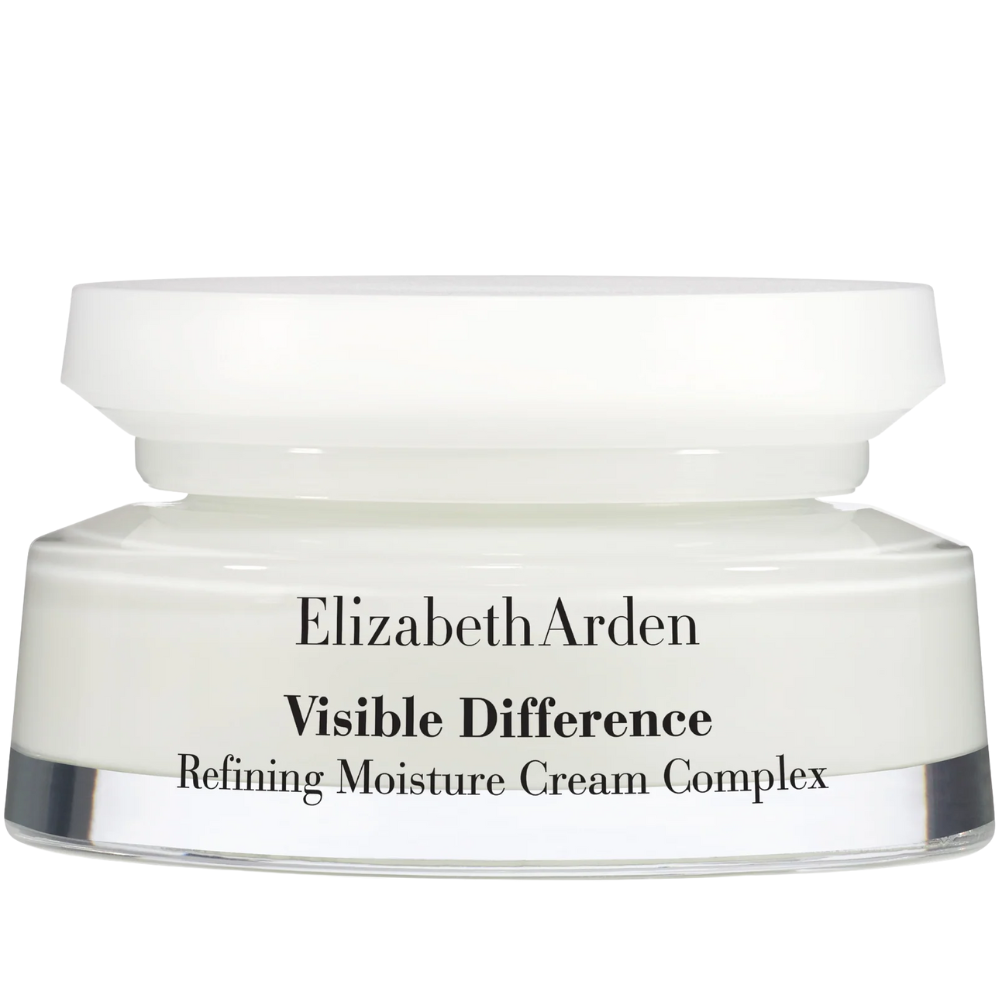
Elisabeth Arden Visible Difference Refining Complex MoisturizingHealth and Beauty Creams Elizabeth Arden Visible Difference Refining Complex Moisturizing This classic formula protects skin with moisture and provides an occlusive barrier to prevent moisture loss. Seeing is believing. Testing shows a significant reduction in the appearance of fine lines of dryness and a dramatic improvement in the appearance of the skin. Dermatologist, allergy and clinically tested. How to use: Apply daily to the face and throat, in the morning and/or at night.14,64 £*Shipping: 3,99 £Secure redirect to the provider
-
Elisabeth Arden Visible Difference Good Morning Retexturizing PrimerHealth and Beauty Face and Cheeks Elizabeth Arden Visible Difference Good Morning Retexturizing Primer Our retexturizing primer helps you show off your best face with a proven blend of boosting botanicals and vitamin A. Wake up your skin without weighing it down. Skin feels soft, smooth and fresh all day. and you will love the softness and naturalness of your makeup. How to use: Apply to clean face.14,73 £*Shipping: 3,99 £Secure redirect to the provider
-
Axis Spot The Difference Facial Blemish Treatment 15mLA skin-care product for oily or blemish-prone skin. Spot The Difference Blemish Treatment is expertly formulated for acne-prone, oily, and sensitive skin, providing effective relief from breakouts and blemishes. This light gel texture glides onto the skin, delivering hydration while restoring the skin barrier.14,97 £*Shipping: 4,12 £Secure redirect to the provider
-
What is the difference between "begründen" and "gründen"?
The main difference between "begründen" and "gründen" is that "begründen" means to justify or give reasons for something, while "gründen" means to found or establish something. "Begründen" is used when explaining the rationale or basis for a decision, argument, or belief, while "gründen" is used when talking about the act of creating or setting up an organization, company, or institution. In essence, "begründen" is about providing reasons, while "gründen" is about creating something new. **
-
What is the difference between the word "Unternehmen" and "Unternehmung"?
The word "Unternehmen" typically refers to a company or business entity, while "Unternehmung" is often used to describe an undertaking or an activity. "Unternehmen" is more commonly used in the context of a specific organization or business, while "Unternehmung" can refer to a broader range of activities or initiatives. In general, "Unternehmen" is more closely associated with the concept of a business or enterprise, while "Unternehmung" has a broader and more general meaning. **
-
What is the difference between "tun" and "machen"?
"Tun" and "machen" are both German verbs that can be translated to "to do" or "to make" in English. However, "tun" is more commonly used in a general sense, while "machen" is more specific and often used when referring to creating or producing something. Additionally, "tun" is often used in more formal or literary contexts, while "machen" is more casual and commonly used in everyday speech. **
-
What is the difference between machen and treiben?
The German verbs "machen" and "treiben" both mean "to do" or "to make," but they are used in different contexts. "Machen" is a general verb that can be used for a wide range of activities, such as making food, doing homework, or creating something. On the other hand, "treiben" is often used to convey the idea of driving, pushing, or propelling something forward, both physically and metaphorically. It is also used to describe engaging in activities or pursuing a particular goal or activity. Overall, "machen" is more general and versatile, while "treiben" is more specific and often conveys a sense of action or movement. **
Similar search terms for Difference
-
Elisabeth Arden Visible Difference Facial Replenishing Hydragel Complex 75mLA skin-care product. It a refreshing, oil-free water gel that provides 24-hour hydration while minimizing the appearance of pores. 24-hour hydration for all skin types. Minimizes the appearance of pores. Leaves skin feeling smooth and refreshed. Sodium Hyaluronate: Provides intense hydration. Mushroom Extract: Tightens pores and refines skin texture.27,84 £*Shipping: 5,22 £Secure redirect to the provider
-
Elisabeth Arden Visible Difference Facial Refining Moisture Cream Complex 75mLA skin-care product. It designed to deeply hydrate the skin while creating an occlusive barrier to prevent moisture loss. Intensely hydrates and nourishes the skin. Reduces the appearance of fine dryness lines. Creates a protective barrier against moisture loss. Suitable for all skin types. Squalane: Moisturizes and softens.37,12 £*Shipping: 5,22 £Secure redirect to the provider
-
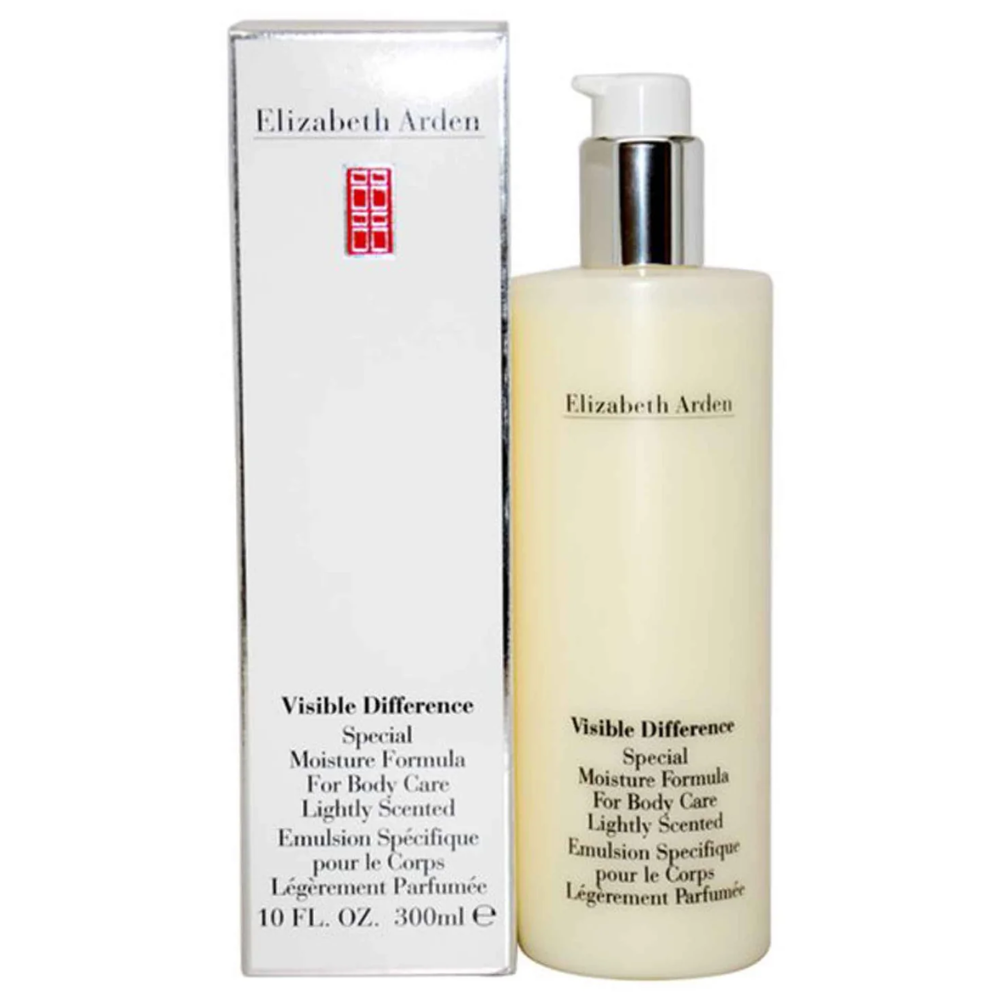
Elisabeth Arden Visible Difference Special Moisture Formula Emulsion for Body Care 300mLA facial cream for dry or dehydrated skin. It a luxurious body moisturizer designed to provide intense hydration and nourishment. Intense hydration for dry skin. Improves skin texture and elasticity. Quick-absorbing, non-greasy formula. Suitable for all skin types. Shea Butter: Deeply moisturizes and nourishes the skin.16,39 £*Shipping: 6,94 £Secure redirect to the provider
-
What is the difference between "Jo, kann man machen" and "Ja, kann man machen"?
The difference between "Jo, kann man machen" and "Ja, kann man machen" lies in the informal and formal tone. "Jo" is a colloquial and informal way of saying "Ja" in some German dialects, while "Ja" is the standard formal way of saying "yes" in German. Therefore, "Jo, kann man machen" is more casual and relaxed, while "Ja, kann man machen" is more polite and formal. **
-
What is the difference between "kaputt machen" and "zerstören"?
"Kaputt machen" and "zerstören" both mean "to destroy" in German, but there is a subtle difference between the two. "Kaputt machen" is often used in a colloquial sense and implies a more casual or accidental destruction, while "zerstören" is a more formal and deliberate term for destroying something. "Kaputt machen" can also be used to describe breaking or ruining something, while "zerstören" is more commonly used to describe completely demolishing or devastating something. **
-
What does Selbständigkeit 12 mean?
Selbständigkeit 12 is a German term that translates to "independence 12" in English. It refers to the 12th grade or year of schooling in the German education system, where students are typically around 17 or 18 years old. This stage of education is focused on preparing students for independence and self-reliance as they transition into adulthood and potentially into higher education or the workforce. **
-
Is there a difference between "tun" and "machen," and when do you use "tun" and when do you use "machen"?
Yes, there is a difference between "tun" and "machen" in German. "Tun" is used to express the general idea of doing something or taking action, while "machen" is used to specifically indicate making or creating something. "Tun" is often used in more abstract or general contexts, while "machen" is used when referring to a specific action or activity. For example, "Was tust du?" (What are you doing?) versus "Was machst du?" (What are you making/doing?). **
* All prices are inclusive of VAT and, if applicable, plus shipping costs. The offer information is based on the details provided by the respective shop and is updated through automated processes. Real-time updates do not occur, so deviations can occur in individual cases. ** Note: Parts of this content were created by AI.